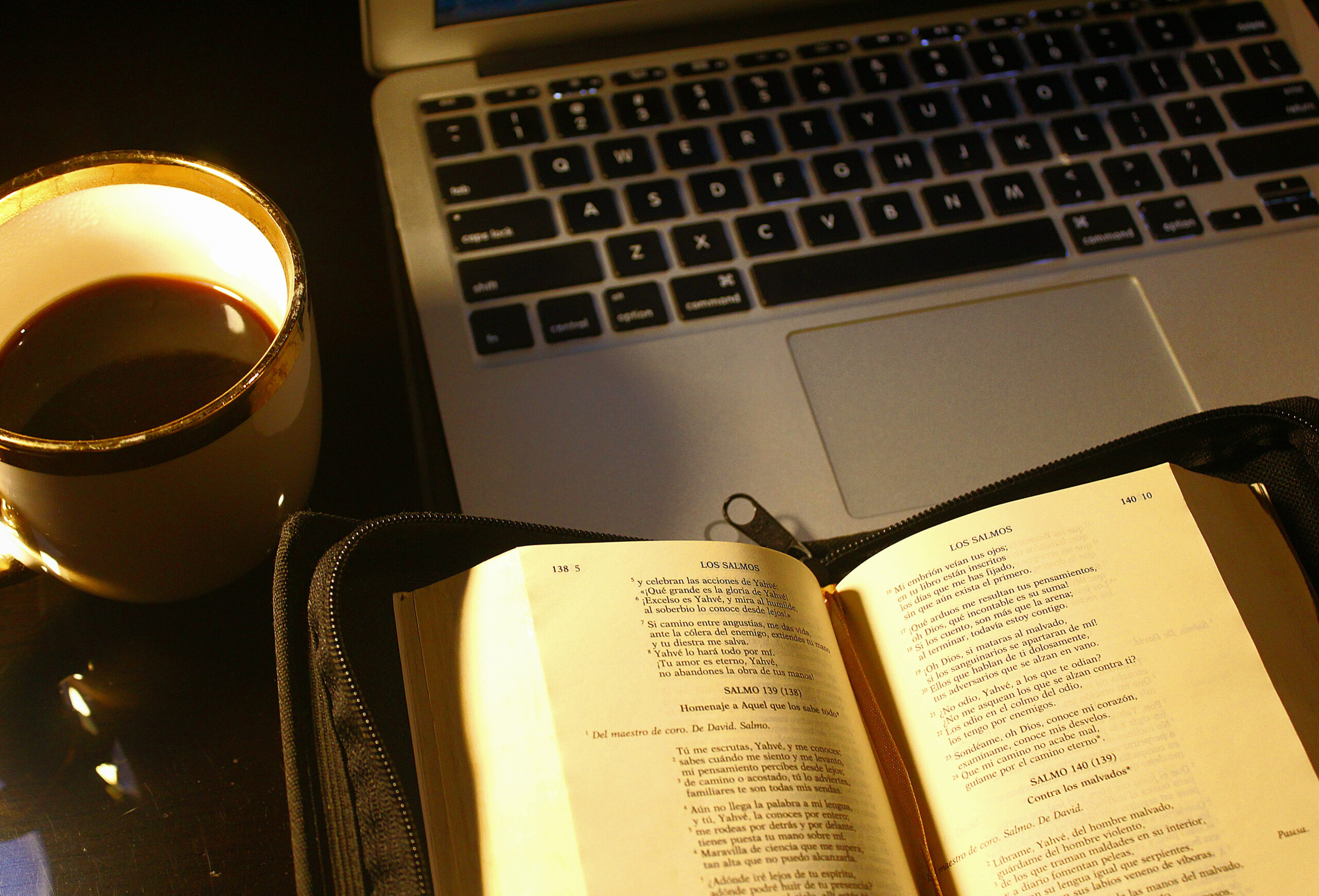
Every Thursday, at 10:15AM Eastern, members of the CHNetwork family meet to pray Morning Prayer from the Liturgy of the Hours together on Zoom. Information on how to join us can be found in the CHNetwork Online Community.
*****
Prayer is a journey—a journey of relationship with a God who has called us into existence out of love. While God is timeless and eternal, we are pilgrims on the road—a road which, at times, prompts us to turn to God in wonder, adoration, praise, and gratitude, and at other times in fear, remorse, repentance, and the expression of distress and need. Prayer is a journey because as the road twists and turns, we are, by God’s grace, changed and transformed along the way through our responses, our decisions, and our choices. We thus return to God in prayer, again and again, not only to seek the providence we need for the road, but also to re- encounter and come to know more deeply this God who is ever ancient, ever new. This encounter itself, more than the provisions prayed for, is what drives the Christian’s ongoing conversion.
While we can tend to think of prayer in terms of seeking God’s help and grace to take back out with us into our “active lives,” the activity of prayer itself (rightly understood) is the foundation and source of ongoing conversion. How does prayer transform us? On the one hand, we can rightly say that the transformative power of prayer is always a matter of God’s grace. At the same time, Jesus calls his disciples to prayer and to works of love because God works through our free cooperation with His will. As the Catechism of the Catholic Church reminds us, man is made in the image of God primarily in that he is endowed with the spiritual powers of intellect and will (CCC 1705). Man, like his Creator, is a thinking and willing being, and it is through the engagement and exercise of these spiritual powers that he cooperates with God’s transforming grace.
It is preeminently in the act of prayer—the “raising of the mind and heart to God” as St. John Damascene describes it—that our minds, wills, and hearts are exercised, purified, and strengthened, helping us to become the people God created us to be. Prayer trains our spirit first through the act of faithful obedience to Christ’s example and teaching to his disciples. Before we even begin our prayer, we grow through the act of making and prioritizing time to be with God and then following through with this good intention. On a deeper level, it is then the act of praying itself—in talking to God and listening—that we engage our minds in reality and our hearts and wills in desiring and choosing in accord with what is true, good, and beautiful. More than mere words, prayer is a free action of the whole human person—body, mind, and spirit—to “love the Lord your God with all your heart, and with all your soul, and with all your mind” (Matthew 22:37).
There is a uniquely transformative and purifying power in praying with Sacred Scripture and participating in the liturgies of the Church, as these forms of prayer present us with truths and attitudes (beatitudes!) that will inevitably challenge us. For example, the Psalms constantly invite us to pray in words and attitudes—joy, love, righteous anger, remorse, desperation—that may run counter to our feelings on a particular day. So too, in the liturgies of the Church— the Holy Mass, the Sacrament of Reconciliation, the Liturgy of the Hours—we are continually invited to praise, give thanks, confess, repent, and express our needs, whether or not we would have otherwise been moved to do so on a given day. Hence, in prayer we are invited to approach God, the source of all transforming grace, and in the context of prayer to apply our minds and hearts to the truth and to be changed in the process.
The greatest and clearest example of this is precisely the Our Father, the prayer that Jesus gave his disciples in response to their request that He teach them to pray. The seven petitions of the Lord’s Prayer are the blueprint for a Christian mind and heart, transformed and purified by God’s grace. As St. Thomas Aquinas notes,
The Lord’s Prayer is the most perfect of prayers…In it we ask, not only for all the things we can rightly desire, but also in the sequence that they should be desired. This prayer not only teaches us to ask for things, but also in what order we should desire them. (St. Thomas Aquinas, STh II-II, 83, 9)
In the Lord’s Prayer, Jesus not only invites us to call upon God as “Father,” but He then teaches us what we ought to desire, to will, and thus to pray for and to strive to bring about in our lives. He gives us these petitions in order, beginning with the desire that Our Father’s name be hallowed, that His kingdom may come, and that His will may be done. The final four petitions involve praying for our physical and spiritual providence (daily bread), forgiveness for our sins, the grace and guidance to avoid sin, and ultimately for final deliverance from evil, death, and hell.
As we continue on the road together, let us persevere in the journey of prayer, placing before God our own needs as well as those of our family, friends, and our fellow journeyers in the CHNetwork. And let us remember that God will always answer our prayers— sometimes in the ways we ask for, but always in giving us His grace and transforming us “into his likeness from one degree of glory to another” (2 Cor 3:18).